Skip to the museum
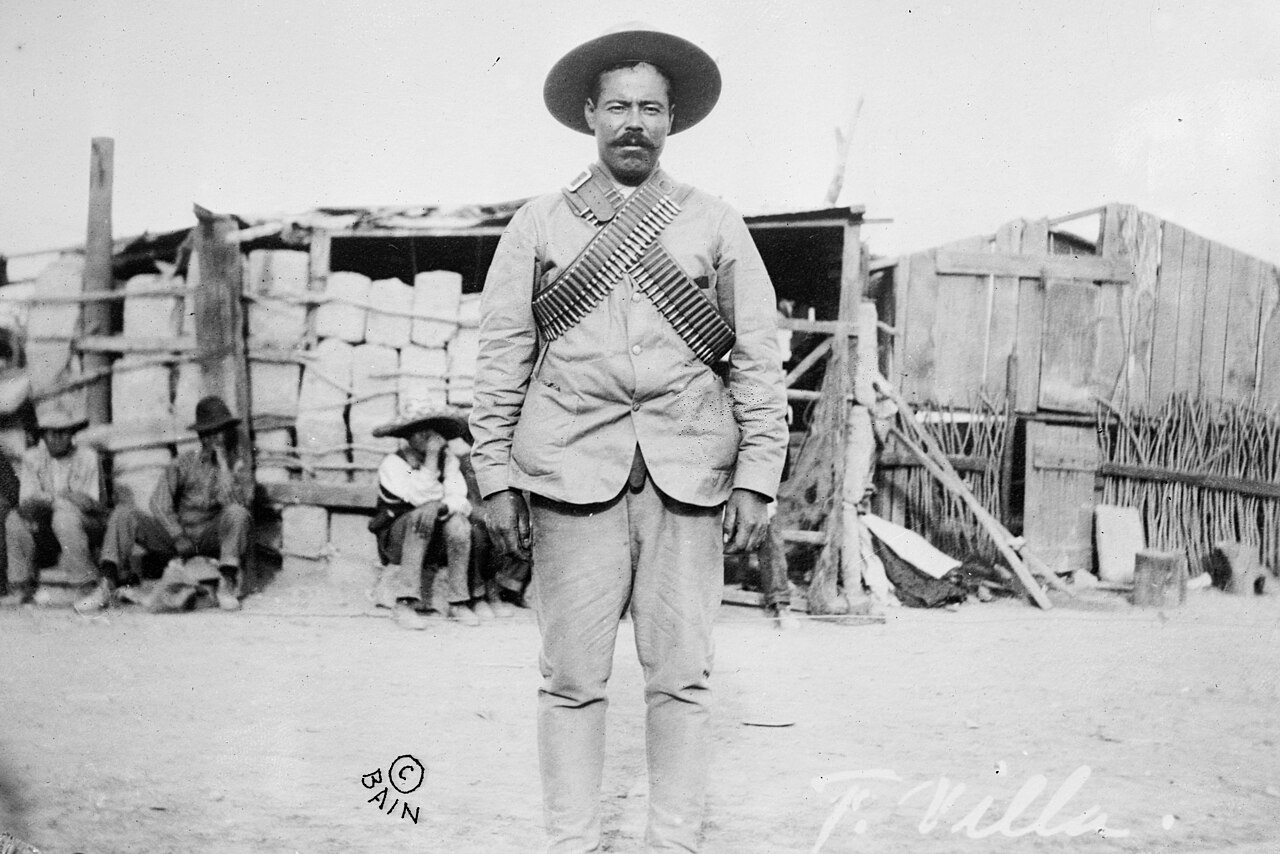
Pancho Villa wearing crossed bandoliers, standing in front of a revolutionary camp

A digital history exhibition

MEXICO IN REVOLUTION

1910–1920

Power, Inequality, and the Fight for a Different Mexico

At the beginning of the twentieth century, Mexico was divided by wealth, land ownership, and political power. After decades of authoritarian rule, demands for democracy and social justice helped ignite a revolution that would reshape the nation.

Francisco “Pancho” Villa wearing bandoliers in front of an insurgent camp. Bain News Service, publisher; photographer unknown, c. 1910–1915.

Welcome

“Behind every revolution is a society pushed to its limits. Discover the inequalities, ideas, people, and conflicts that transformed Mexico between 1910 and 1920.”

Museum Map

Eight rooms, explored in order — or choose your own path.

  1. 01The Revolution: An Introduction
  2. 02Inequality: A Society Divided
  3. 03New Ideologies: Visions of a Different Mexico
  4. 04The Catalyst: What Sparked the Revolution?
  5. 05The Aftermath: Change, Conflict, and Unfinished Goals
  6. 06Primary Source Investigation
  7. 07Did the Revolution Achieve Its Goals?
  8. 08References and Image Credits

01

The Revolution: An Introduction

A · What it was

A nation in upheaval

The Mexican Revolution was a major social and political upheaval that began in 1910 and continued through a decade of armed conflict and political change. It challenged the long dictatorship of Porfirio Díaz and led to major changes in Mexico's political system, land policies, and social rights.

B · Root causes

Land, wealth and power

Wealth and land were concentrated among wealthy landowners and powerful interests, while many peasants struggled without secure access to land.

Political opposition was restricted, and many ordinary Mexicans had limited influence over government decisions.

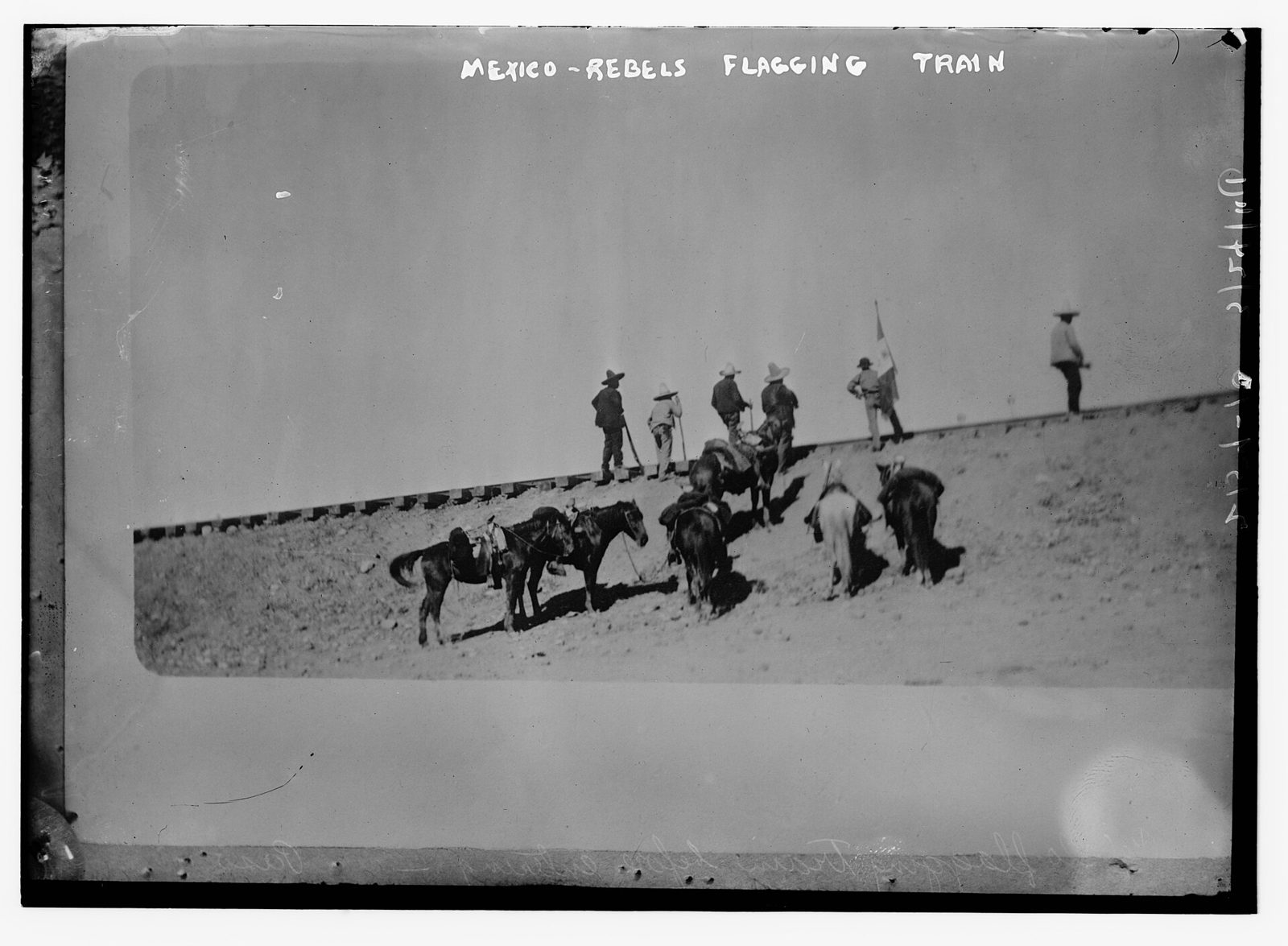
Mounted rebels and men on foot beside a raised railway embankment, signalling a train
“Mexico — rebels flagging train.” Railways were vital to revolutionary armies.Bain News Service, publisher, c. 1910s (date in catalogue record uncertain). Source

C · What sparked it

Madero's challenge

Francisco I. Madero opposed Díaz and called for an uprising after the disputed 1910 election. His call for rebellion helped transform long-standing grievances into armed resistance.

D · What it involved

Many leaders, many aims

Major revolutionary figures included Francisco I. Madero, Emiliano Zapata, Pancho Villa and Venustiano Carranza. These leaders did not all share the same goals — and at times they fought one another.

E · Outcome

The Constitution of 1917

The Constitution of 1917 included major provisions concerning land (Article 27), labor (Article 123) and education (Article 3). But constitutional promises did not mean every reform was immediately put into practice.

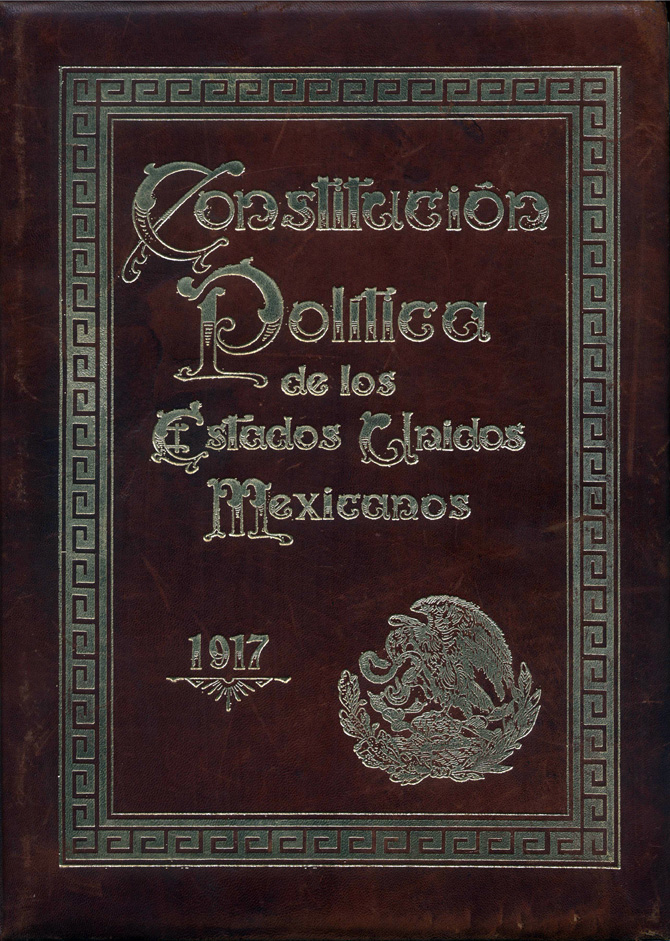
Title page of the original 1917 Political Constitution of the United Mexican States
Cover of the original Political Constitution of the United Mexican States, 1917.

Timeline preview

  1. 1910Disputed election and call for rebellion
  2. 1911Díaz resigns; Madero becomes president
  3. 1913Madero overthrown and killed
  4. 1917The Constitution is adopted
Open the full timeline →

Interactive exhibit

Discover the causes

Select a cause to reveal how it contributed to the revolution.

Select a cause above to reveal how it contributed to the revolution.

Gallery

The Revolution in Time

Select a date to see what happened, who was involved and why it mattered.

Long-term causeTurning pointConsequence

Long-term cause

1876–1911

The Porfiriato

Explore in Room 02 →

Event 1 of 9

What happened

Porfirio Díaz seized power in 1876. Constitutional limits led him to step aside from 1880 to 1884, when his ally Manuel González was president, but Díaz returned in 1884 and was re-elected continuously until 1911.

Key people

Porfirio Díaz, Manuel González

Why it mattered

Decades of concentrated power, managed elections and unequal growth created the long-term grievances behind the revolution.
02

Inequality: A Society Divided

Under Díaz, different forms of inequality reinforced one another — political exclusion protected economic privilege, and economic power bought political influence.

Politics

Political inequality

Porfirio Díaz remained in power for decades and restricted meaningful political competition. Opposition was suppressed, and wealthy elites often had greater influence over government decisions than ordinary Mexicans.

Economy

Economic inequality

Large landowners and powerful economic interests controlled extensive areas of land and resources.

Many peasants and Indigenous communities lost access to traditional lands, while many rural workers depended on low-paid agricultural labor.

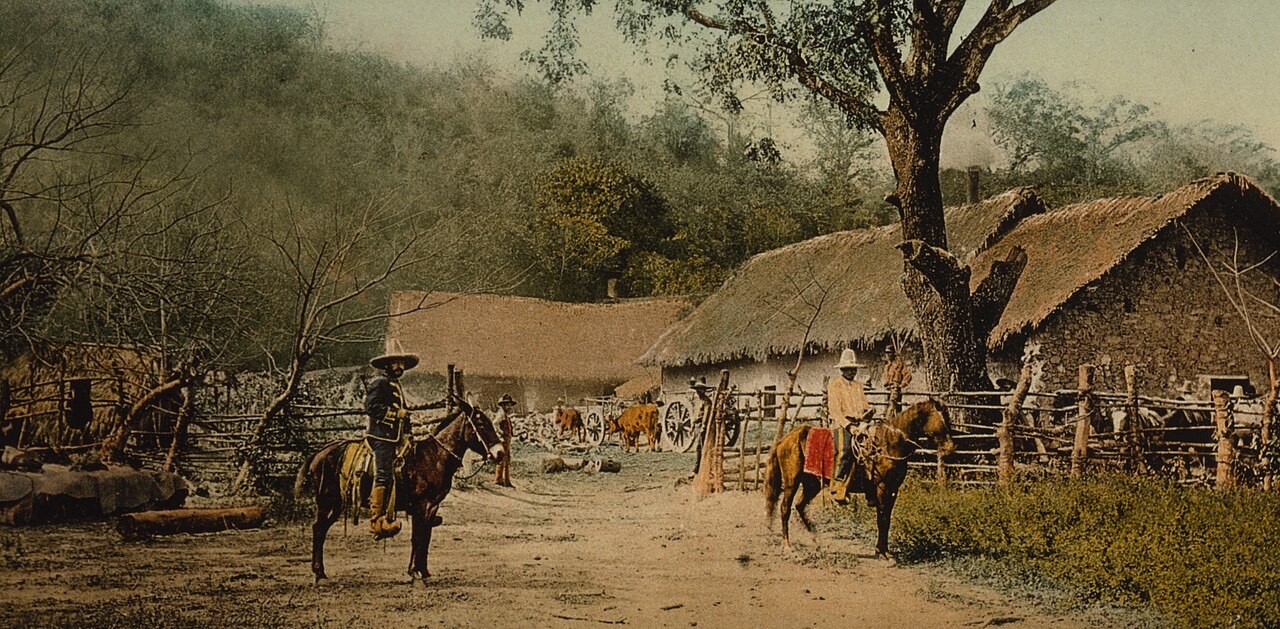
Hand-coloured photograph of a rural hacienda with thatched buildings and horsemen
“A Mexican Hacienda.” Large estates dominated much of the countryside during the Porfiriato.William Henry Jackson, c. 1884–1900. Source
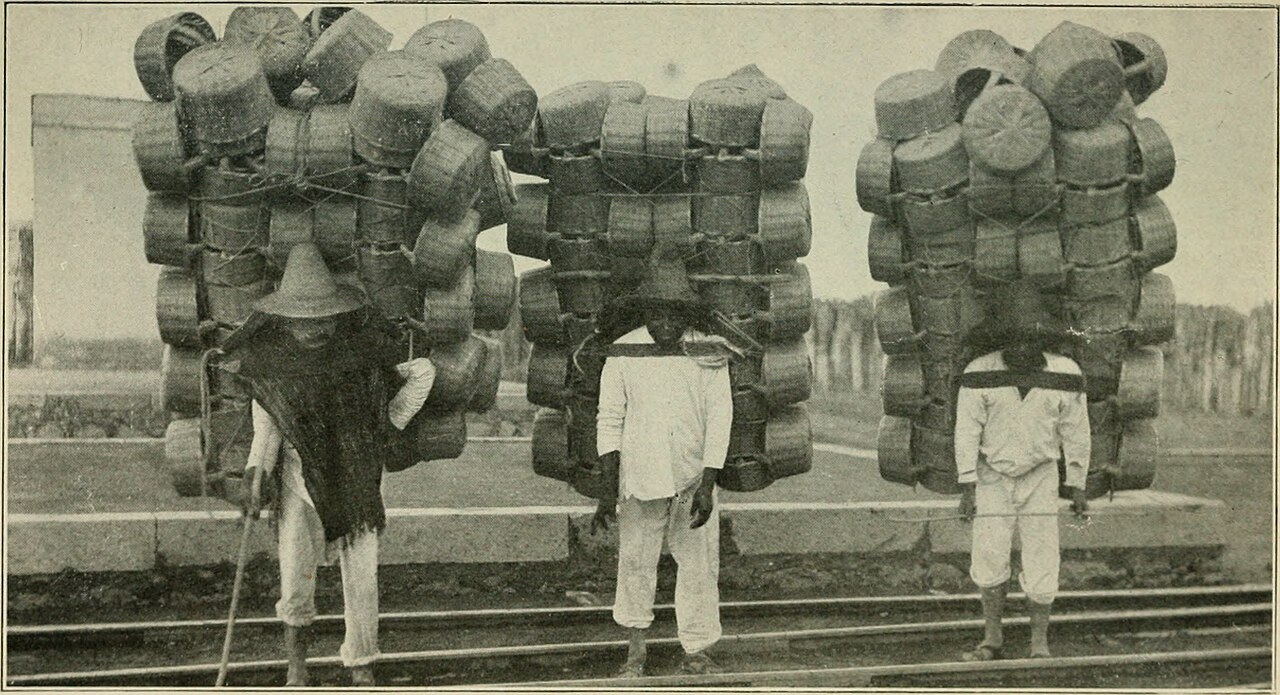
Three men carrying enormous stacks of woven baskets on their backs beside railway tracks
Laborers carrying heavy loads, reproduced in John Kenneth Turner's critical exposé Barbarous Mexico (1911).Photograph published by John Kenneth Turner, Published 1911. Source

Labor

Workers' rights

Industrial and mine workers faced difficult working conditions, low wages, and long hours. Labor unrest grew as workers demanded better treatment — strikes at the Cananea copper mine (1906) and the Río Blanco textile mills (1907) were put down with force.

Who benefited?

  • Díaz's political supporters
  • Wealthy landowners
  • Powerful business interests
  • Some foreign investors

Who was disadvantaged?

  • Landless peasants
  • Indigenous communities affected by dispossession
  • Industrial and mine workers
  • Political opponents

Analysis

Why did this matter?

Political and economic inequality were connected. People with limited political influence had fewer ways to challenge the economic conditions affecting their lives.

Land dispossession, poverty, labor grievances, and political repression created overlapping sources of frustration. Together, these inequalities helped create pressure for revolutionary change.

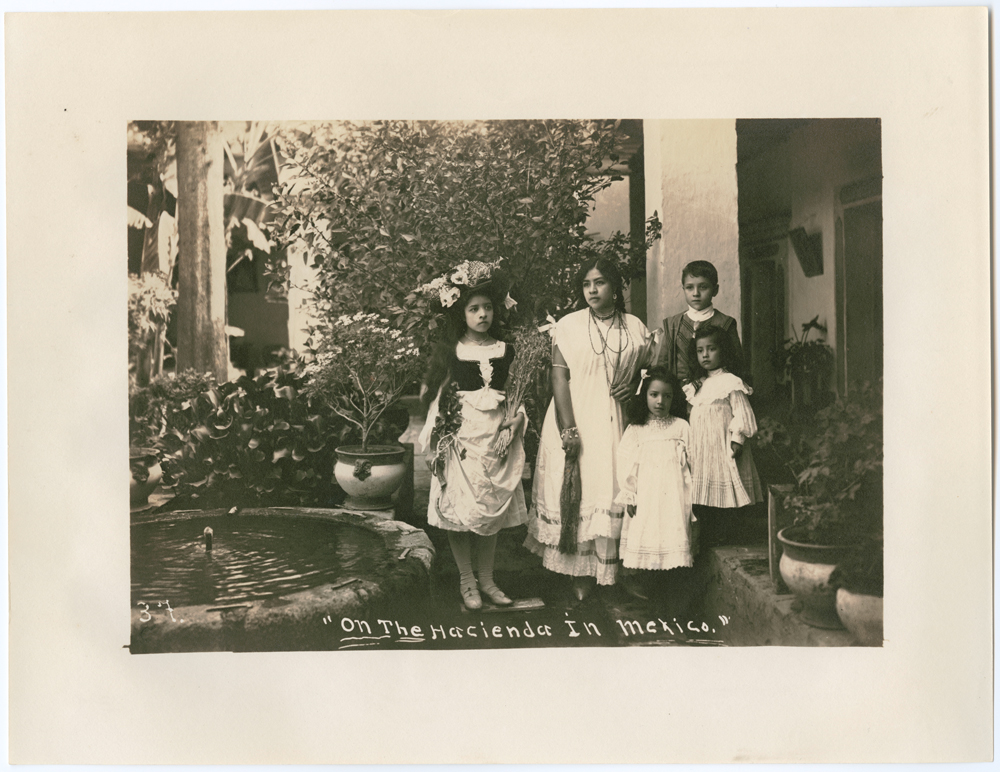
A woman and four children in white dresses posed in a garden courtyard on a hacienda
“On the Hacienda in Mexico.” A family group photographed in a hacienda courtyard.Hickman & Todd, Fotógrafos, c. 1900–1910. Source

Interactive exhibit

A Society Divided

Click a group to learn its position in society, its relationship to land or power, the challenges it faced, and the changes it wanted.

Benefited from the system

Disadvantaged by the system

Benefited

Díaz's political supporters

Position in society
Governors, officials and allies (often called the científicos among his technocratic advisers) close to the regime.
Relationship to land or power
Held offices and influence that depended on loyalty to Díaz; benefited from controlled elections.
Challenges faced
Their position depended on the survival of an aging leader with no clear democratic succession.
Changes they wanted
Stability, continued order and economic modernization under existing leadership.

03

New Ideologies: Visions of a Different Mexico

Revolutionary groups shared opposition to parts of the old system — but disagreed about the future Mexico needed.

Vision I

Democracy & political freedom

Francisco I. Madero challenged Díaz's continued rule and called for political change and meaningful elections.

Vision II

Land reform & peasants' rights

Emiliano Zapata demanded the restoration of land taken from rural communities and supported major changes to land ownership. His movement became associated with the slogan “Tierra y Libertad” — “Land and Liberty” (a phrase also used earlier by the anarchist Ricardo Flores Magón and the Mexican Liberal Party). For many rural communities, land meant livelihood and independence.

Vision III

Workers' rights & social justice

Many workers wanted better wages, safer workplaces, and limits on harsh working conditions. Other revolutionaries wanted broader social and economic reforms.

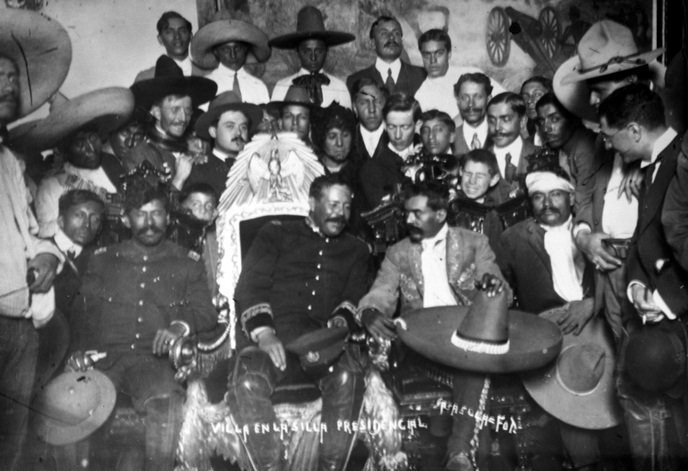
Pancho Villa seated in the presidential chair beside Emiliano Zapata, surrounded by soldiers
Villa in the presidential chair beside Zapata at the National Palace, Mexico City, December 1914.Agustín Casasola, December 1914. Source

Analysis

Why did revolutionary groups clash?

Opposition to Díaz did not guarantee agreement about land redistribution, political leadership, social reform, or the organization of the new government.

For example, Zapata demanded substantial land reform, while Madero initially prioritized political change. Later, Villa and Zapata allied against Carranza. These differences turned the revolution into a conflict among revolutionaries.

Interactive exhibit

Choose your vision for Mexico

Select a leader to explore their goals, supporters, priorities and disagreements — then compare all four visions.

Francisco I. Madero

Main goals

  • “Effective Suffrage, No Re-election” (Sufragio efectivo, no reelección)
  • Free, fair elections and constitutional government
  • Gradual, limited social reform

Whom they represented

Middle-class and elite reformers seeking political democracy.

Political priorities

Wealthy landowner from Coahuila who led the political challenge to Díaz and became president in 1911.

Disagreements

Prioritized political change; disagreed with Zapata on the speed and scale of land reform.

Portrait gallery

Historical Figures

The revolution was never one unified movement. Its leaders had different goals — and those goals changed over time.

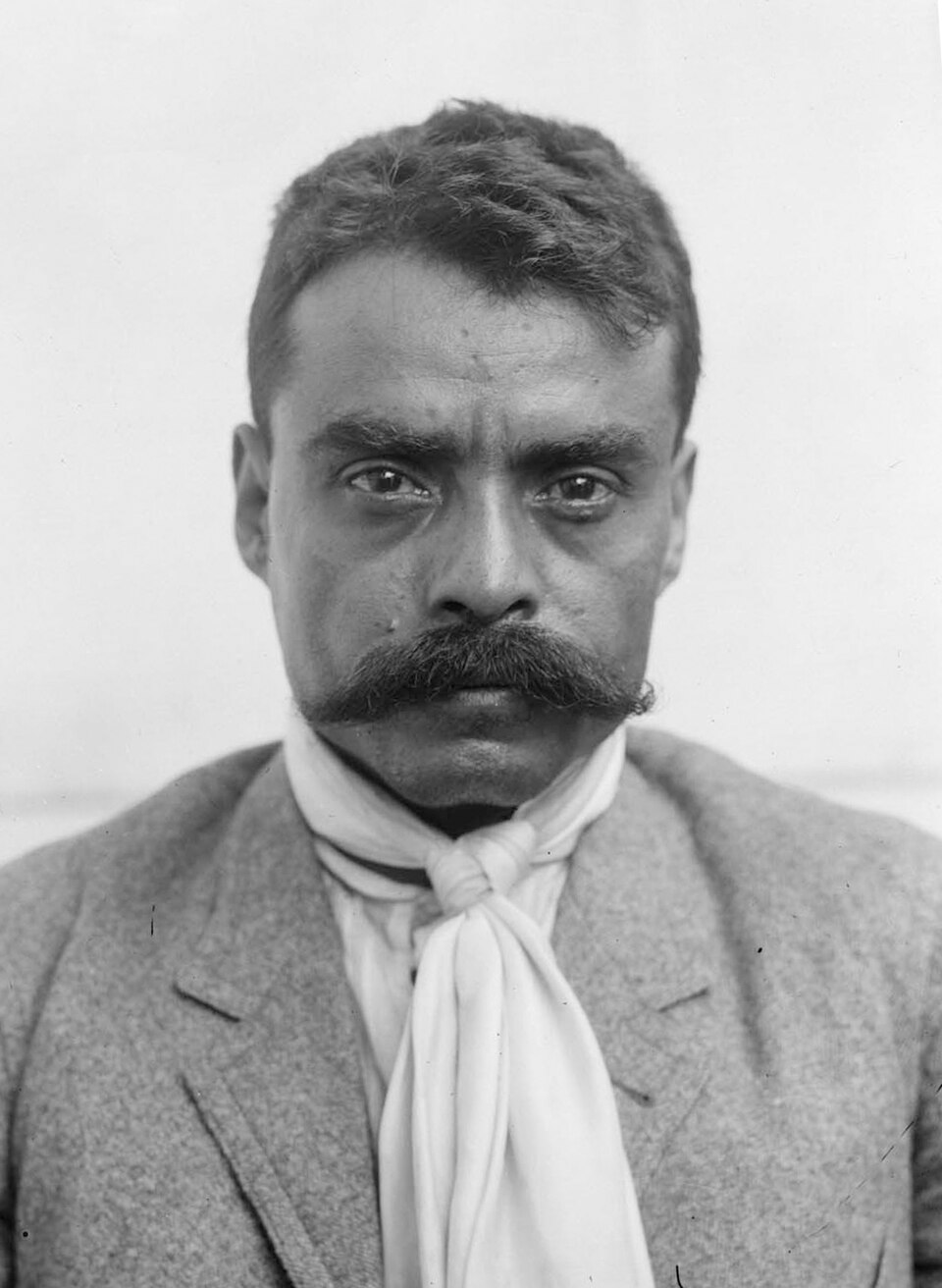
Emiliano Zapata standing in charro clothing with a rifle, sash and sword
Attributed to Agustín Casasola (Casasola archive), 1914. Source

Emiliano Zapata 1879–1919

Leader of the agrarian revolution in the southern state of Morelos.

Goals

  • Return of lands taken from villages
  • Redistribution of part of the large haciendas
  • Community control of land — associated with the slogan “Land and Liberty” (Tierra y Libertad)

Major actions

  • Joined the uprising against Díaz in 1911
  • Broke with Madero and issued the Plan of Ayala in November 1911
  • Fought Madero, Huerta and later Carranza
  • Assassinated in an ambush by government forces in April 1919

Relationships with other leaders

Allied with Villa against Carranza in 1914–1915; never accepted leaders who delayed land reform.

Historical legacy

Enduring symbol of rural justice and land reform in Mexico.

Compare two leaders

Francisco I. Madero

1873–1913

Goals
“Effective Suffrage, No Re-election” (Sufragio efectivo, no reelección); Free, fair elections and constitutional government; Gradual, limited social reform
Support base
Middle-class and elite reformers seeking political democracy.
Relationships
Zapata broke with him over land reform; Villa and Carranza later fought Huerta after Madero's murder.
Legacy
Symbol of Mexican democracy whose moderate program did not satisfy agrarian revolutionaries.

Emiliano Zapata

1879–1919

Goals
Return of lands taken from villages; Redistribution of part of the large haciendas; Community control of land — associated with the slogan “Land and Liberty” (Tierra y Libertad)
Support base
Peasants and village communities of Morelos and the south — not every disadvantaged group across Mexico.
Relationships
Allied with Villa against Carranza in 1914–1915; never accepted leaders who delayed land reform.
Legacy
Enduring symbol of rural justice and land reform in Mexico.

04

The Catalyst: What Sparked the Revolution?

Long-term causes

Pressure built over decades

  • Unequal land ownership
  • Poverty and difficult working conditions
  • Political repression
  • Restricted political competition
  • Growing demands for democracy and social justice

These problems developed over many years.

Immediate catalyst

A spark in 1910

A disputed election and a call to arms gave that long-building anger a specific focus and a moment to act.

June 1910

The 1910 election

In a 1908 interview with the American journalist James Creelman, Díaz suggested Mexico was ready for democracy and that he might welcome an opposition party — yet he ran again. Francisco I. Madero challenged him in the 1910 presidential election under the slogan “Effective Suffrage, No Re-election.” Madero was arrested before the election, and Díaz was declared the winner. The election intensified opposition to Díaz's continued rule.

October 1910

Madero's call for rebellion

After escaping custody and reaching the United States, Madero issued the Plan of San Luis Potosí. He called on Mexicans to rise against Díaz on November 20, 1910.

November 1910

The beginning of armed rebellion

Revolutionary uprisings began in November 1910 and spread as different groups — especially in the northern state of Chihuahua — challenged Díaz's government.

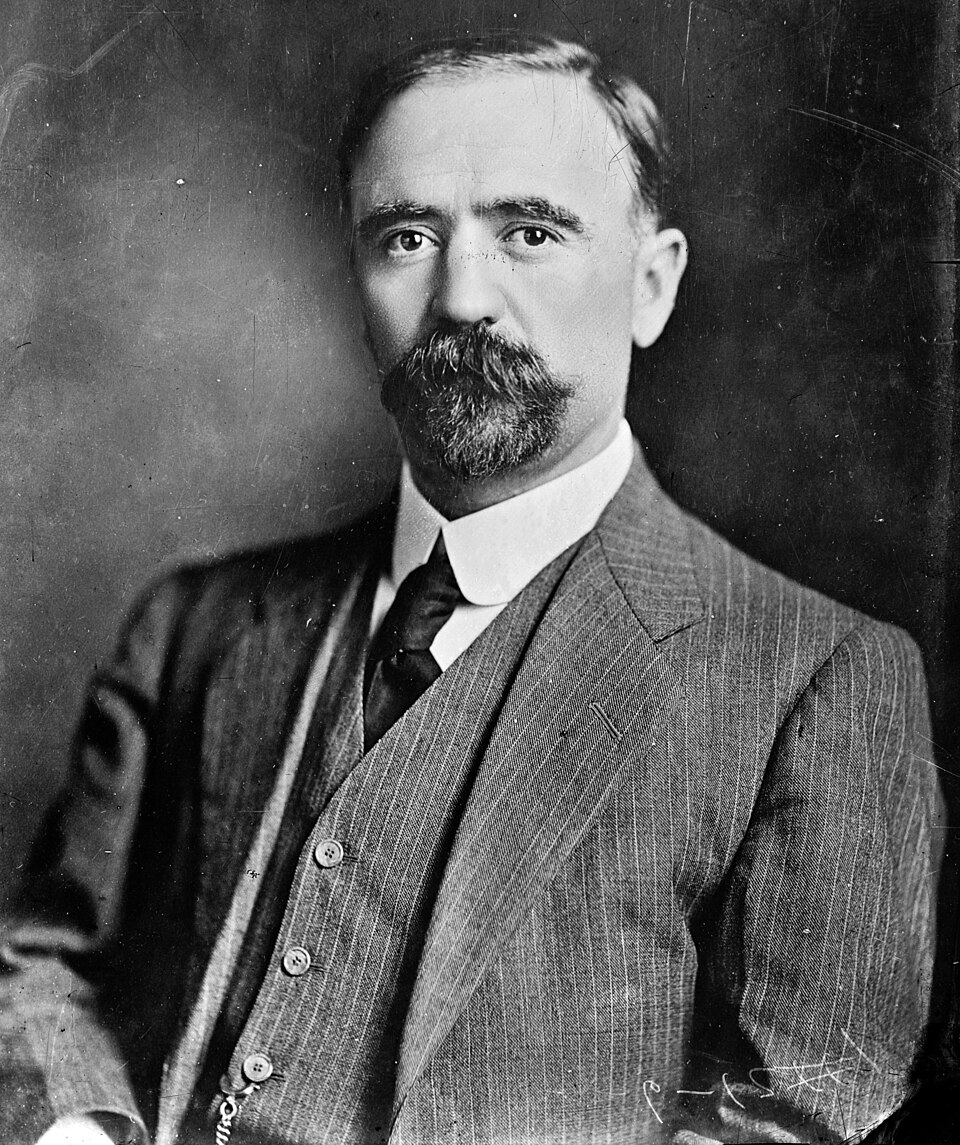
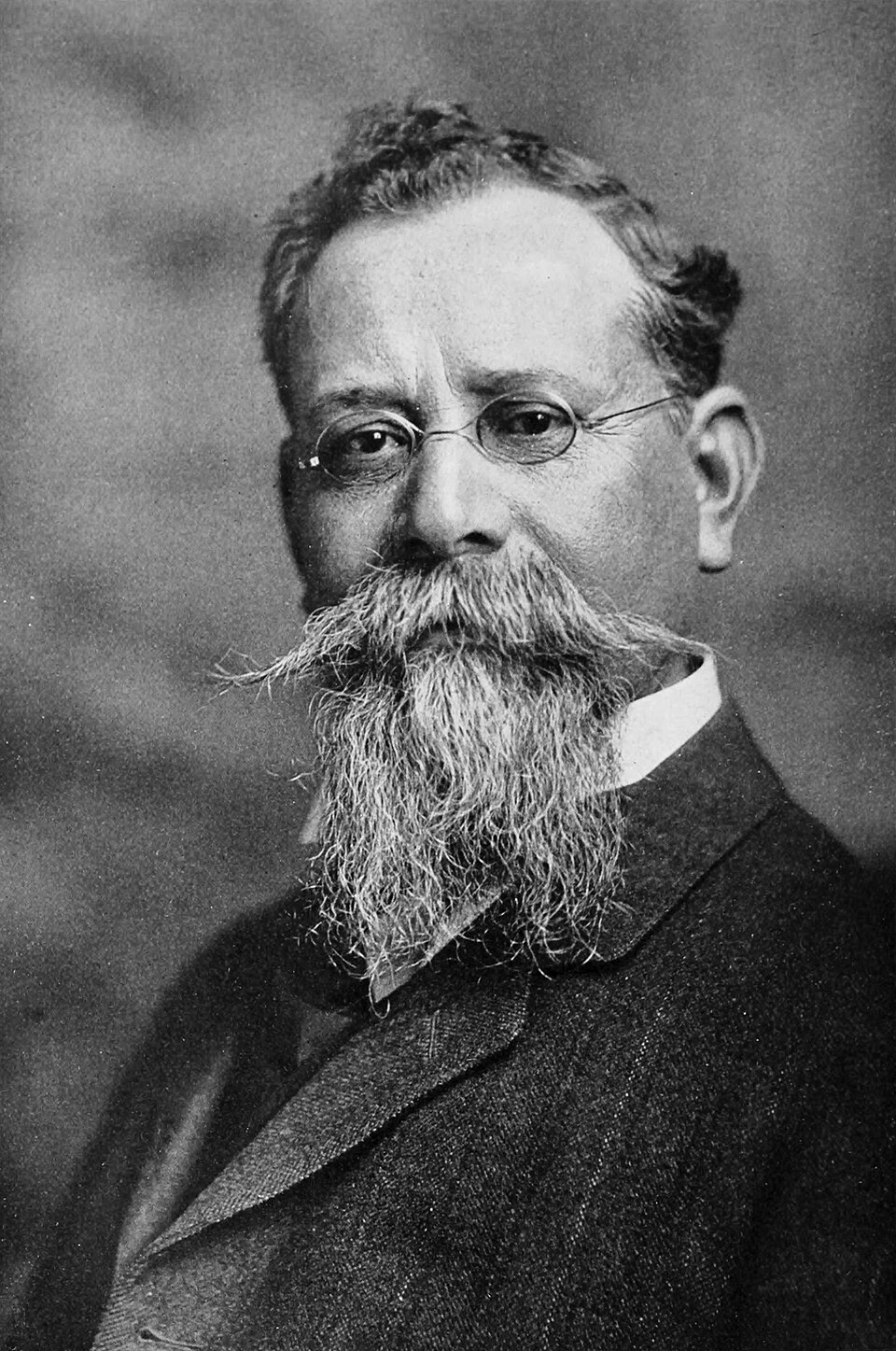
Black-and-white portrait of Francisco I. Madero with a dark beard, wearing a suit
Francisco I. Madero, who challenged Díaz in the 1910 election.Unknown photographer, Before 1913. Source

Analysis

Why did the immediate trigger matter?

Long-term inequalities created anger and opposition. The disputed election and Madero's call for an uprising gave that opposition a specific political focus and an opportunity to act.

Interactive exhibit

Cause or catalyst?

Classify each event as a long-term cause, an immediate catalyst, or a consequence. You'll get instant feedback.

  • Political repression under Díaz

  • Land inequality

  • The disputed 1910 election

  • Madero's Plan of San Luis Potosí

  • Díaz's resignation in 1911

Score: 0 / 5 (0 of 5 answered)

05

The Aftermath: Change, Conflict, and Unfinished Goals

Removing Díaz did not immediately resolve Mexico's problems.

1911

The fall of Díaz

Díaz resigned in May 1911 after revolutionary pressure forced his government from power. However, political conflict continued.

1911–1920

Conflict between revolutionary groups

Madero became president, but he faced opposition from revolutionaries who wanted more extensive reforms. Zapata broke with Madero over the failure to meet land reform demands.

Following Madero's overthrow and murder in 1913, fighting continued against Victoriano Huerta. Carranza, Villa, Zapata, and other revolutionary forces pursued different goals and sometimes fought one another.

Studio portrait of Venustiano Carranza with a long white beard and round glasses
Venustiano Carranza, First Chief of the Constitutionalist movement.Harris & Ewing, c. 1915. Source

5 February 1917

The Constitution of 1917

Article 27

Land & resources

State authority over land and natural resources, providing a constitutional basis for land reform.

Article 123

Labor

Labor protections, including provisions concerning working hours, labor organization, and the right to strike.

Article 3

Education

Education provisions making instruction in public schools secular and primary education in official schools free.

Reforms versus reality

Constitutional recognition did not mean every reform happened immediately or equally throughout Mexico. Many rural communities continued to struggle for land, while poverty and inequality remained important problems.

Historical legacy

The revolution reshaped Mexican politics and helped establish principles that influenced the country's future development. However, its achievements were uneven and contested.

Interactive exhibit

Promises and reality

Click an issue to compare what revolutionaries demanded with what changed — and what remained unresolved.

What revolutionaries demanded

Effective suffrage, no re-election, an end to dictatorship.

What changed

Díaz fell in 1911 and the 1917 Constitution banned presidential re-election.

What remained unresolved

Coups and assassinations continued (Madero 1913, Carranza 1920). In later decades one party dominated national politics.

06

Primary Source Investigation

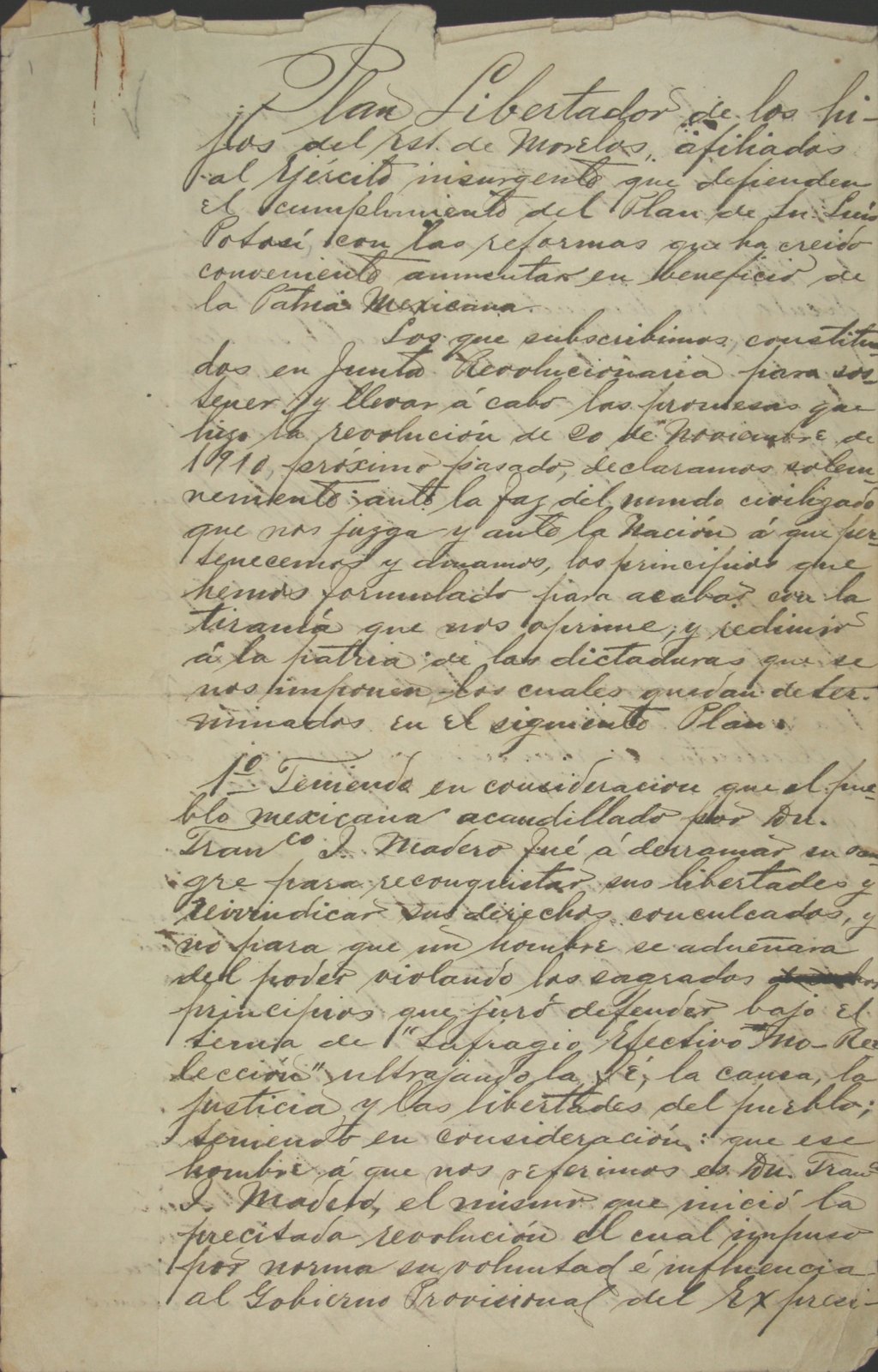
Handwritten manuscript page of the Plan of Ayala in faded ink on aged paper
Manuscript of the Plan of Ayala, the Zapatista program issued in November 1911.Attributed to Otilio Montaño with Emiliano Zapata, November 1911. World Digital Library / Library of Congress, via Wikimedia Commons. View archival record
Archive note: The image shown is a digitized manuscript of the Plan de Ayala held in the World Digital Library collection (Library of Congress). The interpretation below is the museum's summary, not a quotation from the document.

Context & creator

The Plan of Ayala, 1911

The Plan of Ayala was issued in November 1911 by Zapata's movement after its break with Madero. It expressed dissatisfaction with the failure to meet revolutionary demands for land reform.

Core message

Demands

The document demanded the return of lands taken from villages and proposed broader changes to land ownership, including the expropriation — with prior compensation — of one-third of the lands of large estates, and confiscation of property from landowners who opposed the plan. It challenged the direction of the revolution under Madero.

Significance

Why it matters

The Plan of Ayala made land reform a central revolutionary demand and expressed the goals of rural communities that felt excluded from political change. Its ideas later became relevant to debates surrounding land reform and Article 27 of the Constitution of 1917.

Remember: this source reflects Zapata's political perspective, not the views of every revolutionary group.

Interactive exhibit

Analyze the source

Examine the document, answer the three questions, then compare your answers with the curator's model answers.

Answer all three questions (at least a sentence each) to continue.

Sources: Plan of Ayala manuscript (WDL/LOC); Britannica, “Emiliano Zapata”; Womack, Zapata and the Mexican Revolution (1968).

07

Did the Revolution Achieve Its Goals?

Goal 1

Ending dictatorship

Original goal

Challenge Díaz's authoritarian rule and create a more representative political system.

Outcome

Díaz resigned in 1911, but political instability and fighting continued.

Goal 2

Land reform

Original goal

Address unequal land ownership and restore land to rural communities.

Outcome

The Constitution of 1917 established a legal basis for land reform, but implementation was uneven and many communities continued to struggle.

Goal 3

Workers' rights and social reform

Original goal

Improve working conditions and provide stronger social protections.

Outcome

Article 123 established important labor protections, but the practical effects of reform developed over time.

Final verdict

The Mexican Revolution achieved significant political and constitutional changes, but it did not immediately eliminate inequality or fulfil all revolutionary promises.

Its success depends partly on which goals are being evaluated and whose experiences are considered.

Interactive exhibit

Your historical judgment

Take a position, support it with evidence, and write your conclusion. Your answers are saved only in this browser.

“Did the Mexican Revolution achieve its goals?”

Step 1 — Take a position

08

References and Image Credits

Later analysis and interpretation

Secondary sources

Created during the period

Primary sources

Photographs and documents

Image credits

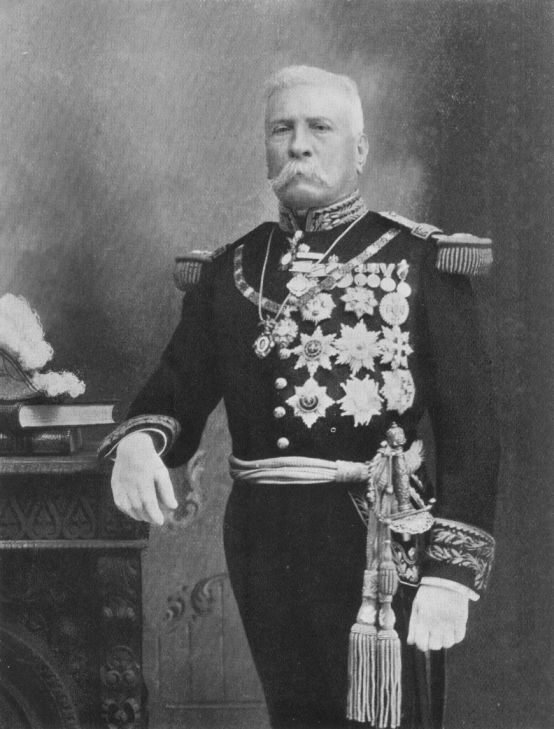
  • Porfirio Díaz in military dress uniform. Unidentified photographer, Early 20th century (exact date unknown). Wikimedia Commons. Source

  • Francisco I. Madero, who challenged Díaz in the 1910 election. Unknown photographer, Before 1913. Library of Congress, via Wikimedia Commons. Source

  • Emiliano Zapata, leader of the agrarian movement in Morelos. Attributed to Agustín Casasola (Casasola archive), 1914. Wikimedia Commons. Source

  • Francisco “Pancho” Villa wearing bandoliers in front of an insurgent camp. Bain News Service, publisher; photographer unknown, c. 1910–1915. Library of Congress, via Wikimedia Commons. Source

  • Venustiano Carranza, First Chief of the Constitutionalist movement. Harris & Ewing, c. 1915. Library of Congress, via Wikimedia Commons. Source

  • “Mexico — rebels flagging train.” Railways were vital to revolutionary armies. Bain News Service, publisher, c. 1910s (date in catalogue record uncertain). Library of Congress, Prints & Photographs (LCCN 2014689006), via Wikimedia Commons. Source

  • “A Mexican Hacienda.” Large estates dominated much of the countryside during the Porfiriato. William Henry Jackson, c. 1884–1900. Library of Congress, via Wikimedia Commons. Source

  • “On the Hacienda in Mexico.” A family group photographed in a hacienda courtyard. Hickman & Todd, Fotógrafos, c. 1900–1910. SMU Central University Libraries, via Wikimedia Commons. Source

  • Laborers carrying heavy loads, reproduced in John Kenneth Turner's critical exposé Barbarous Mexico (1911). Photograph published by John Kenneth Turner, Published 1911. Internet Archive Book Images, via Wikimedia Commons. Source

  • Manuscript of the Plan of Ayala, the Zapatista program issued in November 1911. Attributed to Otilio Montaño with Emiliano Zapata, November 1911. World Digital Library / Library of Congress, via Wikimedia Commons. Source

  • Cover of the original Political Constitution of the United Mexican States, 1917. Government of Mexico (document), 1917. Wikimedia Commons. Source

  • Villa in the presidential chair beside Zapata at the National Palace, Mexico City, December 1914. Agustín Casasola, December 1914. Wikimedia Commons. Source

Reading room

Glossary

Porfiriato
The period of Porfirio Díaz's dominance in Mexico, 1876–1911.
Hacienda
A large rural estate, often owning vast land and employing many laborers.
Hacendado
The owner of a hacienda.
Land reform
Policies that redistribute land, often from large estates to peasants or communities.
Ejido
Land held collectively by a community, a key form of post-revolutionary land reform.
Constitution
A country's fundamental law, setting out the structure of government and citizens' rights.
Constitutionalists
Carranza's movement, formed in 1913 to restore constitutional rule after Huerta's coup.